Skip to content
Free shipping over $200FedEx 2-day shipping
Routine Peptides
HPLC tested
Representative HPLCPer lot
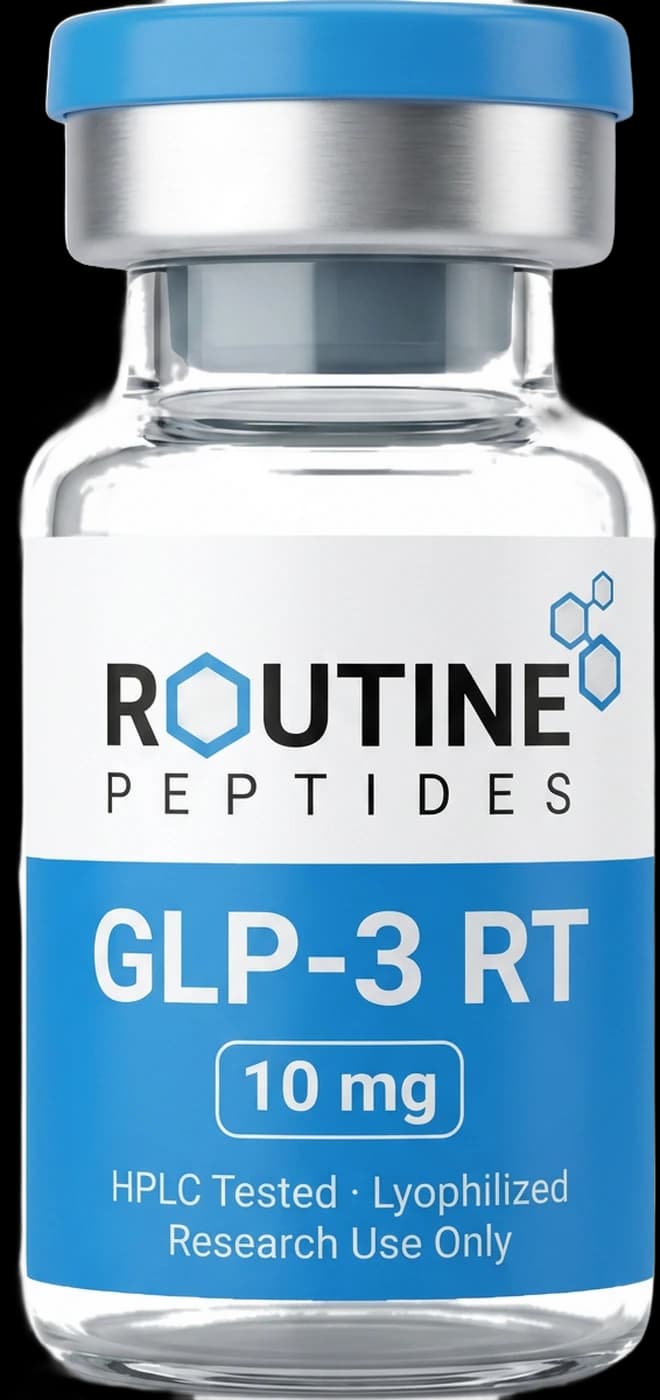
GLP-3 RT research vial

Metabolic & GLP

GLP-3 RT

Metabolic Regulation Studies

Third-party testedCOA per lotView COA · 99.92%
$12010mg · $12.00/mg

Size

Quantity

1

Ships from the United States with tracking · free shipping over $200

PassedSterility & Endotoxins
PassedNet Content & Purity
Research use only
Third-party tested
COA with every lot
Tracked shipping

Researchers also added

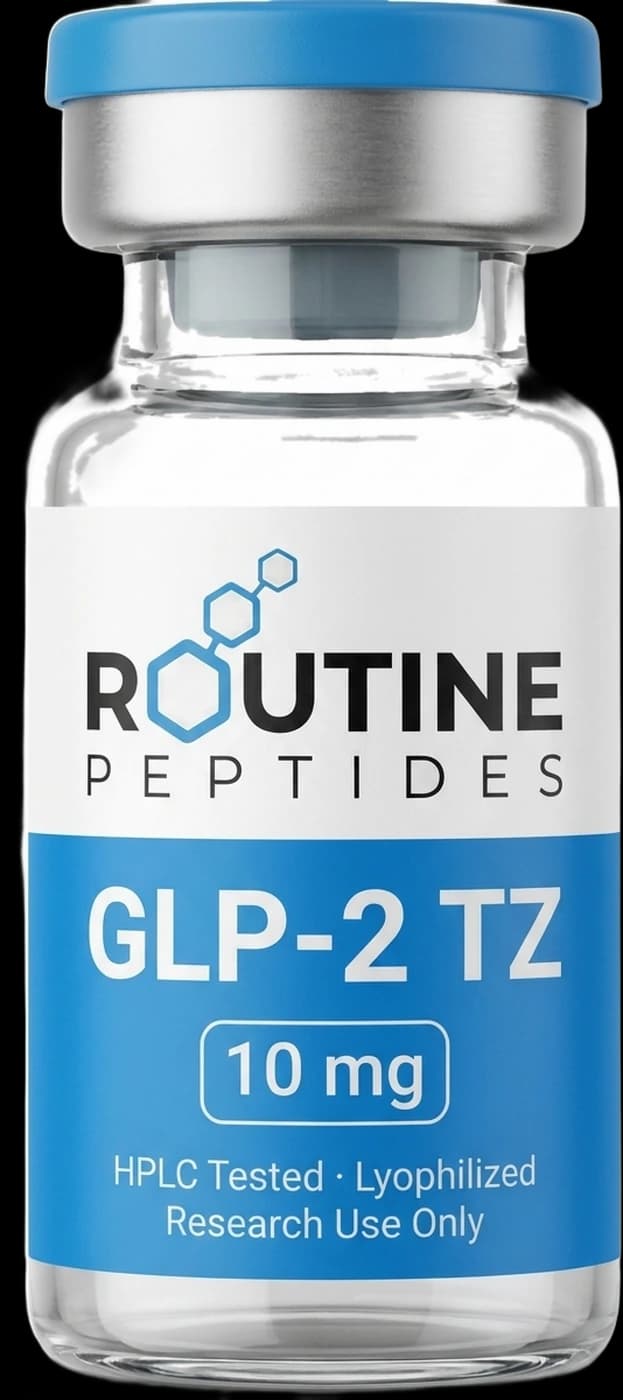
GLP-2 TZ

10mg

$102.00

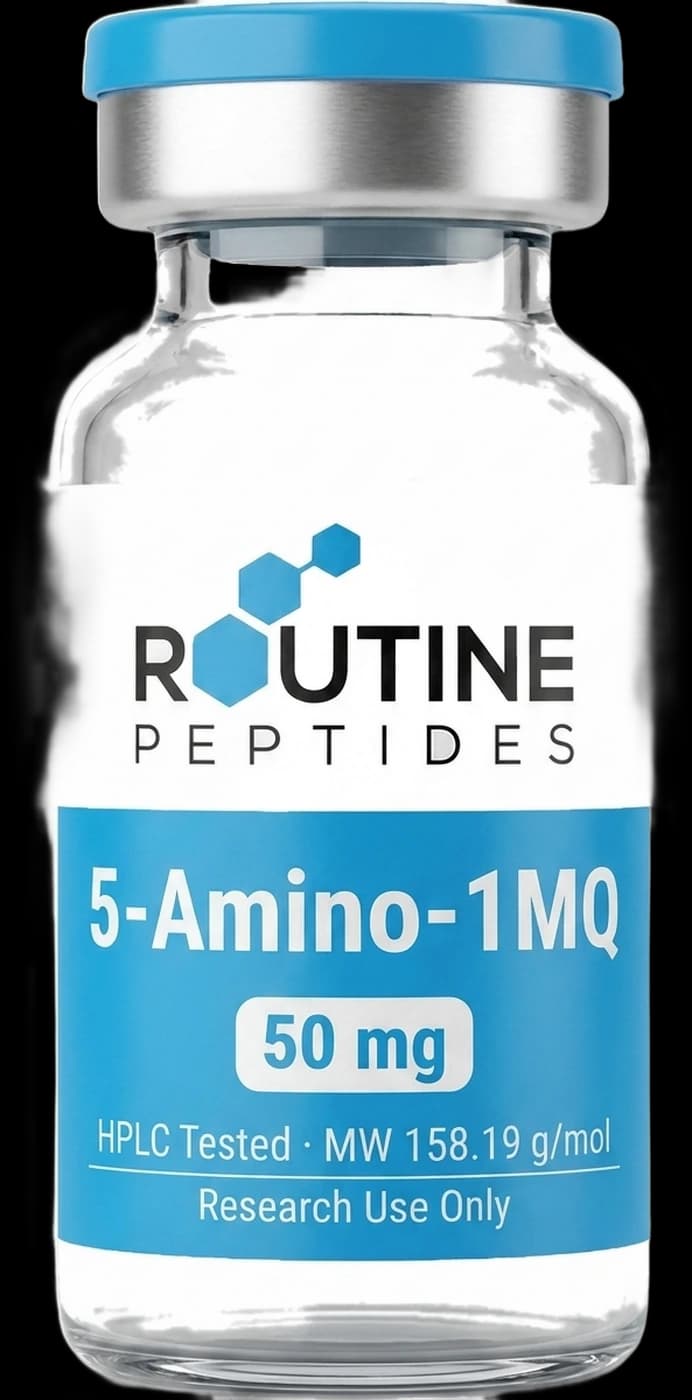
5-Amino-1MQ

50mg

$102.00

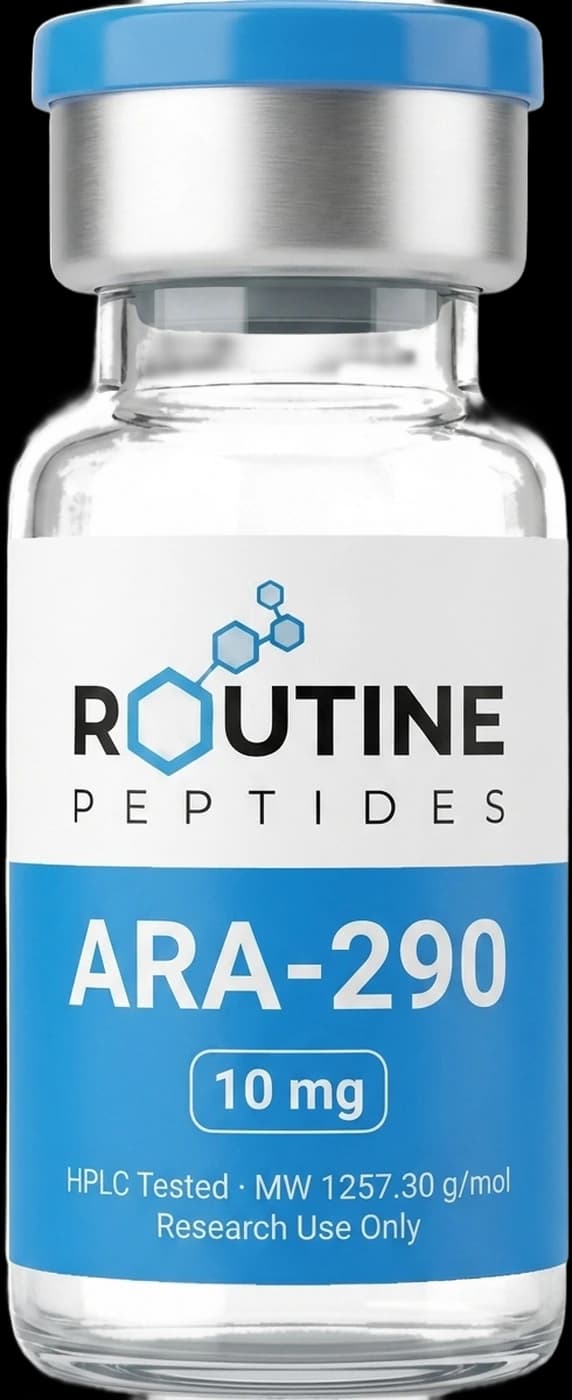
ARA-290

10mg

$72.00

Certificates of analysis

18 lot certificates for GLP-3 RT

Each certificate covers one production run, and reports on that batch alone. Open any of them to read the laboratory report exactly as the third-party lab issued it.

Authenticity

Every vial carries a code

Scan the code on the label to pull up every published certificate for that compound — the same reports the third-party laboratory issued, batch by batch. Traceable from the laboratory that tested it to your bench.

Verify a batch →

Verified, lot by lot

Per lot
  • Independently tested

    Purity is quantified by reverse-phase HPLC and identity confirmed by mass spectrometry, by an outside laboratory rather than in-house.

  • A certificate for your lot

    The report that ships with your order describes the batch you received — not the product line, and not a representative sample.

  • COA-backed replacement

    If material does not match the certificate issued for its lot, we replace it or refund it. Send us the lot number and we will trace it.

  • Tracked dispatch

    Tracking is issued when the label is created, so the shipment is traceable from the moment it leaves us.

🎯
3
Receptors Engaged
GLP-1, GIP and glucagon
📈
48 wk
Phase 2 Duration
Longest reported study period
🔬
4
Dose Arms
Dose-ranging design
🧬
2
Comparator Classes
Dual agonist and placebo

About this compound

What GLP-3 RT is

GLP-3 RT is the research designation for LY3437943, a triple agonist engaging the GLP-1, GIP and glucagon receptors simultaneously. Single- and dual-agonist compounds are far better characterized; the research question specific to triple agonism is what the glucagon-receptor component contributes to metabolic endpoints on top of the other two.

Formula
C221H342N50O68
Molecular weight
4731.32 g/mol
Form
Lyophilized powder
CAS / ID
LY3437943 (CAS 2381089-83-2)
Read the full GLP-3 RT research monograph →

How it works

How GLP-3 RT works

The pathways GLP-3 RT acts on, and what each one does. Signalling described from preclinical models.

Incretin Receptor Agonism

GLP-1 Activation

The GLP-1 receptor component is the best-characterized of the three, and the one shared with every single- and dual-agonist compound in this class. It is the reference arm against which the additional receptor activity is measured.

  • Shared with all GLP-1 and dual-agonist comparators
  • Well-characterized glycemic and satiety endpoints
  • Serves as the comparator arm in trial design
Gastric Inhibitory Signalling

GIP Activation

The GIP receptor arm is the addition that distinguishes dual agonists from single. Published work examines whether GIP agonism, antagonism or neither best complements GLP-1 activity — a question the literature has not settled.

  • Distinguishes dual agonists from single
  • Direction of benefit still debated in the literature
  • Adipose and pancreatic receptor populations studied

Glucagon Receptor Agonism

Energy Expenditure Arm

Glucagon receptor activity is what makes this compound a triple rather than dual agonist, and it is the least characterized of the three. Interest centers on hepatic energy expenditure — the endpoint the other two arms do not address.

  • The arm unique to triple agonism
  • Hepatic energy-expenditure endpoints
  • Least characterized of the three receptors

Uses & applications

What GLP-3 RT is researched for

The main areas under study, and the study-reported figures behind them.

Metabolic Research

Body Weight Endpoints

Phase 2 work reported dose-dependent weight change over 48 weeks, with the highest dose arm producing the largest reported effect in this compound class to date.

Jastreboff et al. 2023

Endocrinology

Glycaemic Control

Examined in type 2 diabetes models against dual-agonist and placebo comparators, with HbA1c as the primary endpoint.

Rosenstock et al. 2023

Energy Metabolism

Expenditure vs Intake

The glucagon arm is studied for whether it raises energy expenditure rather than only reducing intake — the mechanistic question specific to triple agonism.

Coskun et al. 2022

Hepatology

Hepatic Fat Content

Liver fat fraction has been measured as a secondary endpoint, on the basis that glucagon receptor activity acts directly on hepatocytes.

Sanyal et al. 2024

What the published work measures

The endpoints reported across the literature for this compound. The figures belong to the individual papers, not to us.

  • Receptors Engaged
  • Phase 2 Duration (48 wk)
  • Comparator Arms Studied

Molecular structure

The GLP-3 RT molecule

The verified reference values for this compound.

No 3D structure published

This compound is a long, flexible chain. Any single three-dimensional arrangement would be one of an enormous number it can adopt, so we do not show one. The sequence and the reference values beside this are the reliable description.

Third-party verified

Independently tested, lot by lot.

Every batch of GLP-3 RT is sent to an accredited independent laboratory before it ships. Here is what we screen for.

HPLC purity analysis

Quantifies purity and reports it on the lot certificate

Mass spectrometry

Verifies the exact molecular identity

Heavy metals screening

Lead, arsenic, cadmium & mercury

Endotoxins (LAL)

Bacterial endotoxin levels

Sterility testing

No microbial contamination

Net peptide content

Actual peptide mass per vial verified

FAQ

Common questions about GLP-3 RT

What is GLP-3 RT?

+

GLP-3 RT is the research designation for LY3437943, a triple agonist engaging the GLP-1, GIP and glucagon receptors simultaneously. Single- and dual-agonist compounds are far better characterized; the research question specific to triple agonism is what the glucagon-receptor component contributes to metabolic endpoints on top of the other two.

How should GLP-3 RT be stored and reconstituted?

+

Store the sealed vial at -20°C, protected from light and moisture, and let it reach room temperature before opening so condensation does not form on cold powder. Keep reconstituted solution refrigerated and avoid repeated freeze-thaw cycles — solutions are far less stable than lyophilized powder.

Is GLP-3 RT approved for human use?

+

No. GLP-3 RT is supplied strictly for in-vitro laboratory research and development. It is not a drug, food, supplement or cosmetic, it has not been evaluated by the FDA, and it is not intended for human or animal consumption, ingestion, injection or any in-vivo use. Ordering confirms you are a qualified researcher or institution purchasing on that basis.

For research use only

Not for human or veterinary use. For in-vitro laboratory research only. These statements have not been evaluated by the FDA; this product is not intended to diagnose, treat, cure, or prevent any disease. Sold exclusively to qualified researchers and institutions.

Before you order

Quality Becomes RoutineMeasured. Verified. Documented.

Every production run is analyzed by an independent laboratory, and the certificate for your lot travels with the order — not a catalog-wide document, and not a summary written by us.