Skip to content
Free shipping over $200FedEx 2-day shipping
Routine Peptides
HPLC tested
Representative HPLCPer lot
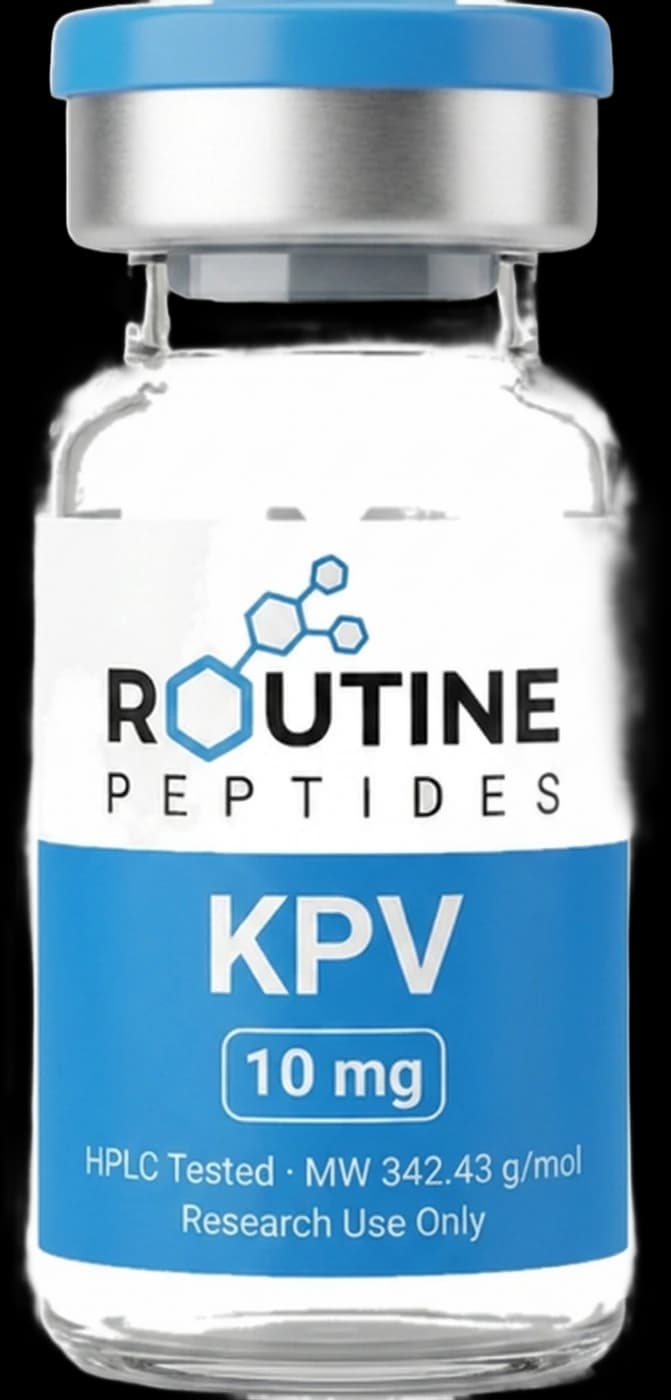
KPV research vial

Metabolic & GLP

KPV

Inflammation Pathway Studies

Third-party testedCOA per lotView COA · 99.753%
$7210mg · $7.20/mg

Quantity

1

Ships from the United States with tracking · free shipping over $200

PassedSterility & Endotoxins
PassedNet Content & Purity
Research use only
Third-party tested
COA with every lot
Tracked shipping

Researchers also added

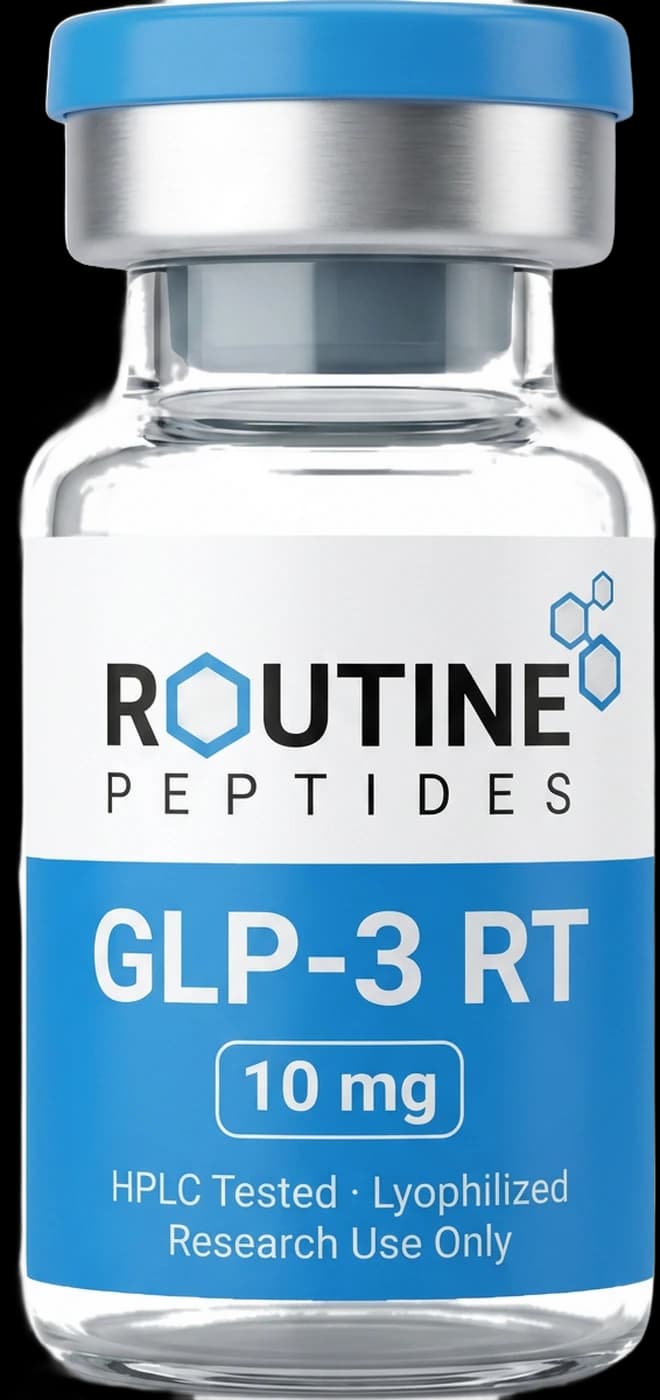
GLP-3 RT

10mg

$120.00

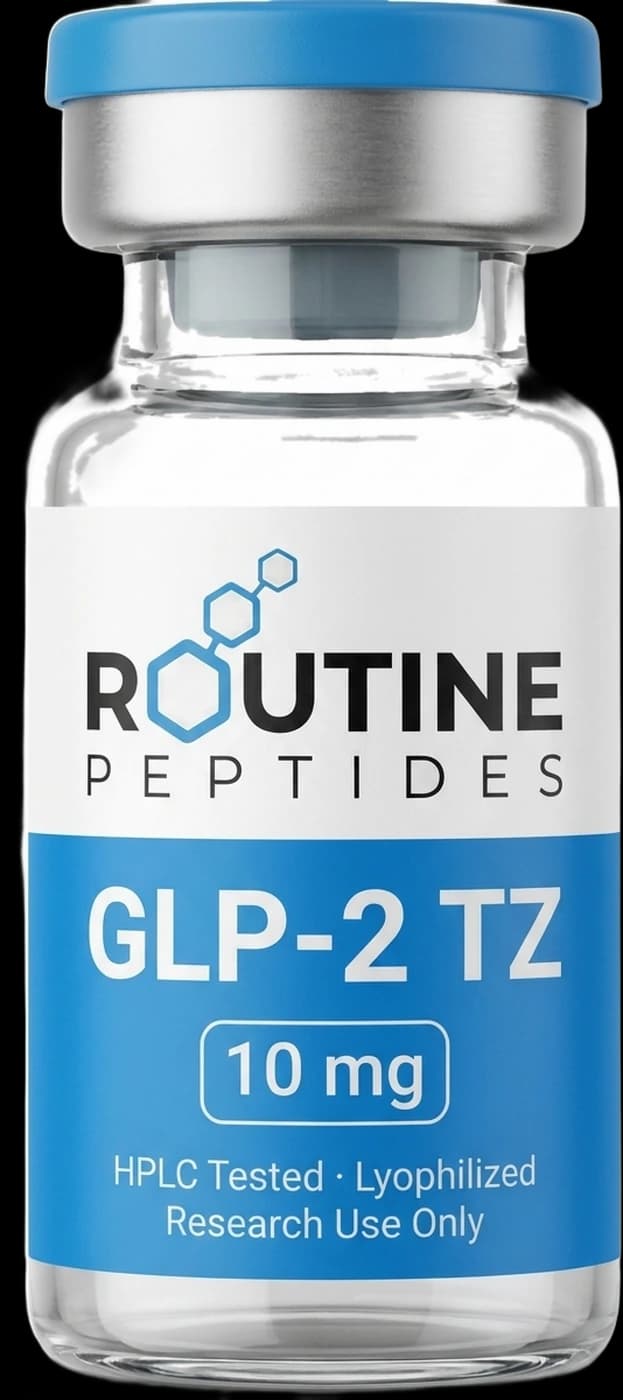
GLP-2 TZ

10mg

$102.00

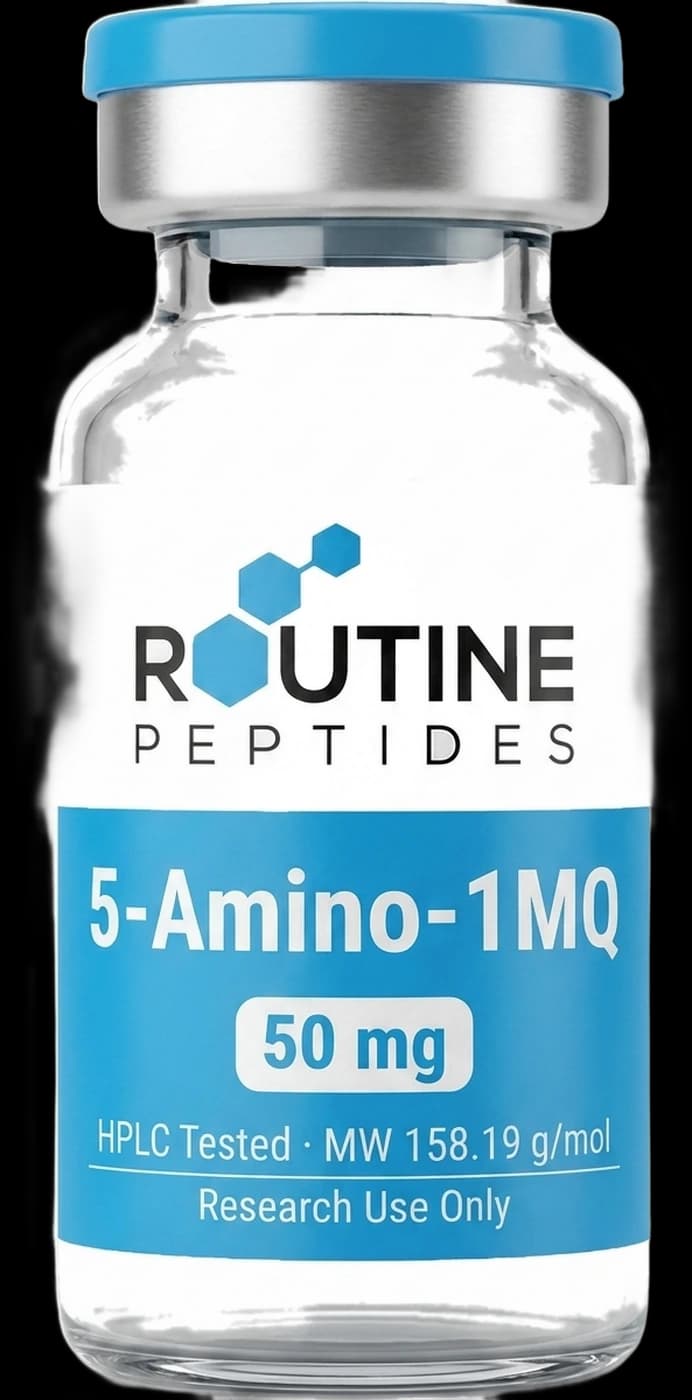
5-Amino-1MQ

50mg

$102.00

Certificates of analysis

2 lot certificates for KPV

Each certificate covers one production run, and reports on that batch alone. Open any of them to read the laboratory report exactly as the third-party lab issued it.

Authenticity

Every vial carries a code

Scan the code on the label to pull up every published certificate for that compound — the same reports the third-party laboratory issued, batch by batch. Traceable from the laboratory that tested it to your bench.

Verify a batch →

Verified, lot by lot

Per lot
  • Independently tested

    Purity is quantified by reverse-phase HPLC and identity confirmed by mass spectrometry, by an outside laboratory rather than in-house.

  • A certificate for your lot

    The report that ships with your order describes the batch you received — not the product line, and not a representative sample.

  • COA-backed replacement

    If material does not match the certificate issued for its lot, we replace it or refund it. Send us the lot number and we will trace it.

  • Tracked dispatch

    Tracking is issued when the label is created, so the shipment is traceable from the moment it leaves us.

🔬
20+
Published Studies
Anti-inflammatory peptide research
🧬
3
Amino Acids
Lys-Pro-Val (α-MSH 11–13)
🎯
4
Research Areas
Intestinal Inflammation & Colitis · α-MSH Anti-Inflammatory Signaling · Epithelial Wound Healing & more

About this compound

What KPV is

C16H30N4O4

KPV is a tripeptide of lysine, proline and valine, corresponding to the C-terminal tripeptide of alpha-MSH. That short tail carries much of the parent hormone's anti-inflammatory signaling while leaving behind its effect on pigmentation, which is the property that made the fragment worth isolating.

Formula
C16H30N4O4
Molecular weight
342.43 g/mol
Form
Lyophilized powder
Sequence length
3 residues
Read the full KPV research monograph →

Full specification

Sequence
L-Lysyl-L-Prolyl-L-Valine (α-MSH 11–13)
Molecular weight
342.43 g/mol
Molecular formula
C₁₆H₃₀N₄O₄
Physical form
Lyophilized powder
Documented purity
Quantified by HPLC, reported per lot
Storage
-20°C for long-term stability
Solubility
Water-soluble

How it works

How KPV works

The pathways KPV acts on, and what each one does. Signalling described from preclinical models.

Inflammatory Pathway Suppression

NF-κB Inhibition

Reported to inhibit NF-κB and MAP-kinase signalling at nanomolar concentrations — the transcriptional step upstream of pro-inflammatory cytokine production, rather than the cytokines themselves.

  • Inhibits NF-kB and MAP-kinase at nanomolar levels
  • Reduces TNF-a, IL-6 and IL-1b
  • Suppresses inflammatory output rather than raising anti-inflammatory signal
Cellular Transport & Action

PepT1-Mediated Uptake

Uptake is described via PepT1, an intestinal peptide transporter. That route matters because it lets the tripeptide reach the cell interior, where the signalling it acts on takes place.

  • Enters cells via the PepT1 transporter
  • PepT1 sits on immune and intestinal epithelial cells
  • Allows modulation from inside the cell

Melanocortin Fragment

α-MSH-Derived Activity

As the C-terminal tripeptide of alpha-MSH it retains the parent hormone's anti-inflammatory signalling while leaving the pigmentation activity behind. Isolating that fragment is the reason it exists as a separate compound.

  • C-terminal tripeptide of alpha-MSH
  • Carries much of the parent's anti-inflammatory activity
  • Antimicrobial effects reported against S. aureus and C. albicans

Uses & applications

What KPV is researched for

The main areas under study, and the study-reported figures behind them.

GASTROENTEROLOGY

Intestinal Inflammation & Colitis

Colitis models are the most-studied application, which follows from uptake via an intestinal peptide transporter.

Dalmasso et al. 2008

IMMUNOLOGY

α-MSH Anti-Inflammatory Signaling

Inflammatory transcription is the measured endpoint, inherited from the parent hormone minus its pigmentation activity.

Brzoska et al.

DERMATOLOGY

Epithelial Wound Healing

Epithelial closure is measured in gut and skin models, where the anti-inflammatory and repair endpoints overlap.

Bonfiglio et al. 2006

MICROBIOLOGY

Antimicrobial Activity

Direct antimicrobial effects have been reported, distinct from the anti-inflammatory signalling and less well characterized.

Cutuli et al. 2000

What the published work measures

The endpoints reported across the literature for this compound. The figures belong to the individual papers, not to us.

  • NF-κB Activation
  • Pro-inflammatory Cytokines (TNF-α, IL-6)
  • Colitis Severity (DSS / TNBS models)
  • Corneal Re-epithelialization (rabbit study, 60 h)

Molecular structure

The KPV molecule

The deposited three-dimensional conformer for this compound, paired with its verified reference values.

Drag to rotate

54 atoms

ONCH

54 atoms, 54 bonds, C16H30N4O4. Deposited conformer from PubChem CID 125672, not a drawing.

C16H30N4O4

Molecular formula
C16H30N4O4
Molecular weight
342.43 g/mol
Sequence length
3 residues
Physical form
Lyophilized powder
Documented purity
Quantified by HPLC, reported per lot

Third-party verified

Independently tested, lot by lot.

Every batch of KPV is sent to an accredited independent laboratory before it ships. Here is what we screen for.

HPLC purity analysis

Quantifies purity and reports it on the lot certificate

Mass spectrometry

Verifies the exact molecular identity

Heavy metals screening

Lead, arsenic, cadmium & mercury

Endotoxins (LAL)

Bacterial endotoxin levels

Sterility testing

No microbial contamination

Net peptide content

Actual peptide mass per vial verified

FAQ

Common questions about KPV

What is KPV?

+

KPV is a tripeptide of lysine, proline and valine, corresponding to the C-terminal tripeptide of alpha-MSH. That short tail carries much of the parent hormone's anti-inflammatory signaling while leaving behind its effect on pigmentation, which is the property that made the fragment worth isolating.

What is KPV researched for?

+

Published research on KPV concentrates on Intestinal Inflammation & Colitis, α-MSH Anti-Inflammatory Signaling, Epithelial Wound Healing and Antimicrobial Activity. Each of those areas is summarised further up this page with the citation it comes from, and the full reference list — 4 indexed publications — sits at the bottom. Study designs and concentrations vary considerably between publications, so the primary sources are worth reading directly.

How does KPV work?

+

The literature describes KPV acting across Inflammatory Pathway Suppression, Cellular Transport & Action and Melanocortin Fragment, reported respectively as NF-κB Inhibition, PepT1-Mediated Uptake and α-MSH-Derived Activity. Those pathways are drawn from preclinical models rather than clinical work, and they describe what has been observed rather than a settled mechanism — the individual pathway cards above cite what each one is based on.

What are the molecular specifications for KPV?

+

KPV has a molecular formula of C16H30N4O4, an average mass of 342.43 g/mol and the sequence L-Lysyl-L-Prolyl-L-Valine (α-MSH 11–13). It ships as lyophilized powder. Those are nominal reference values for the parent compound. The identity of the specific material you receive is confirmed by mass spectrometry and reported on that lot's certificate.

How should KPV be stored and reconstituted?

+

Store the sealed vial at -20°C, protected from light and moisture, and let it reach room temperature before opening so condensation does not form on cold powder. KPV is water-soluble; reconstitute by directing the diluent down the vial wall rather than onto the powder, then swirl to dissolve rather than shaking. Keep reconstituted solution refrigerated and avoid repeated freeze-thaw cycles — solutions are far less stable than lyophilized powder.

Is KPV approved for human use?

+

No. KPV is supplied strictly for in-vitro laboratory research and development. It is not a drug, food, supplement or cosmetic, it has not been evaluated by the FDA, and it is not intended for human or animal consumption, ingestion, injection or any in-vivo use. Ordering confirms you are a qualified researcher or institution purchasing on that basis.

Cited sources

Peer-reviewed literature

Independent published research indexed from PubMed and peer-reviewed journals — not Routine Peptides claims.

  1. [1]PUBMEDPepT1-Mediated Tripeptide KPV Uptake Reduces Intestinal Inflammation (opens in a new tab)2008 — Dalmasso G et al. — GastroenterologyView source →
  2. [2]PMCα-MSH Related Peptides: A New Class of Anti-Inflammatory and Immunomodulating Drugs (opens in a new tab)Review — Brzoska T et al.View source →
  3. [3]PUBMEDEffects of the COOH-Terminal Tripeptide α-MSH(11–13) on Corneal Epithelial Wound Healing: Role of Nitric Oxide (opens in a new tab)2006 — Bonfiglio V et al.View source →
  4. [4]PUBMEDAntimicrobial Effects of Alpha-MSH Peptides (opens in a new tab)2000 — Cutuli M et al.View source →

For research use only

Not for human or veterinary use. For in-vitro laboratory research only. These statements have not been evaluated by the FDA; this product is not intended to diagnose, treat, cure, or prevent any disease. Sold exclusively to qualified researchers and institutions.

Before you order

Quality Becomes RoutineMeasured. Verified. Documented.

Every production run is analyzed by an independent laboratory, and the certificate for your lot travels with the order — not a catalog-wide document, and not a summary written by us.